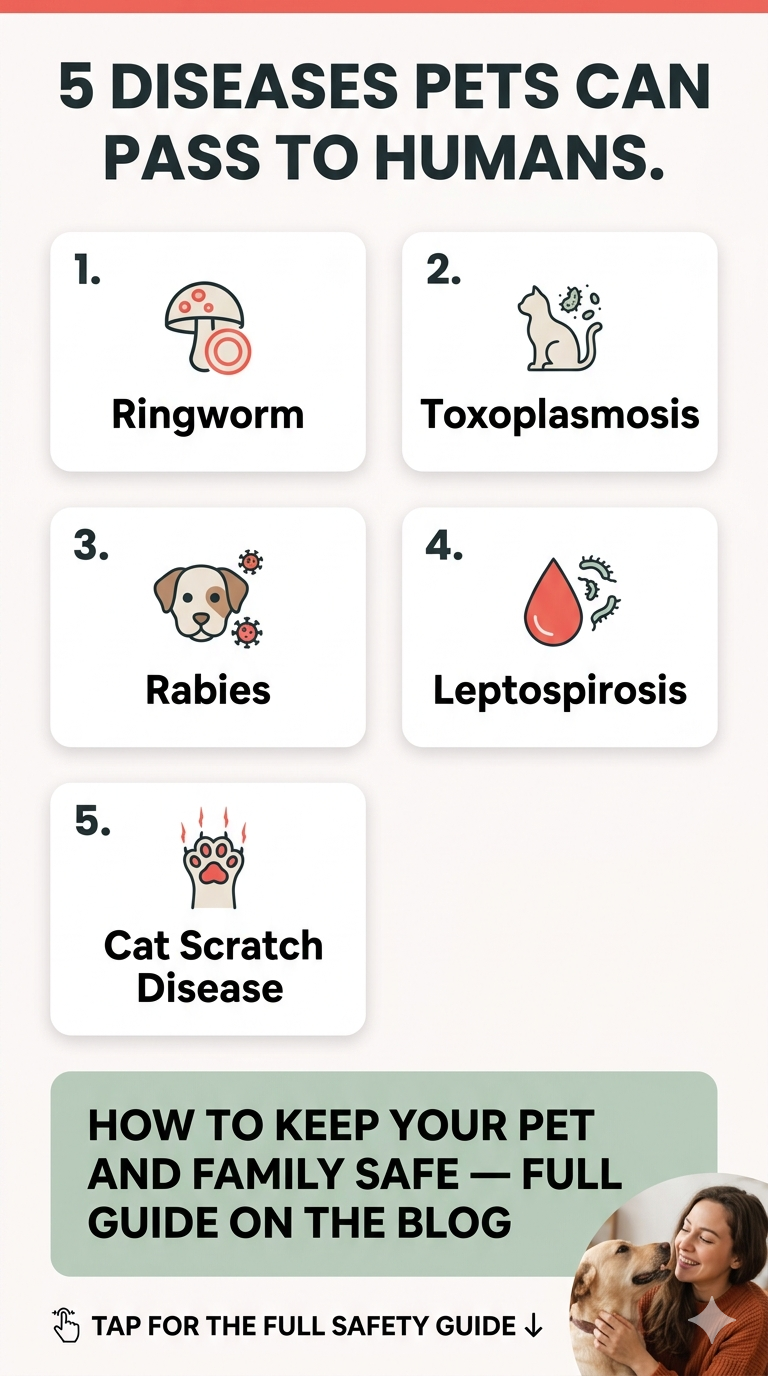
What every pet owner needs to know to protect their family without giving up the cuddles
Introduction
Pets bring so much joy, comfort, and love into our lives — but there is one conversation most pet owners never have until something goes wrong. The truth is, some of the most common health conditions affecting our dogs and cats can quietly spread to the humans living with them. These are called zoonotic diseases — illnesses that transfer between animals and people. Before you panic, here is the reassuring part — almost all of them are entirely preventable with simple, consistent daily habits. You do not need to stop cuddling your pet. You just need the right information. This guide covers the 5 most common diseases pets can pass to their owners, how to spot them early, and exactly what you can do every single day to keep your whole family — fur included — safe and healthy.
🍄 1. Ringworm — The Sneaky Fungal Infection
What Is It?
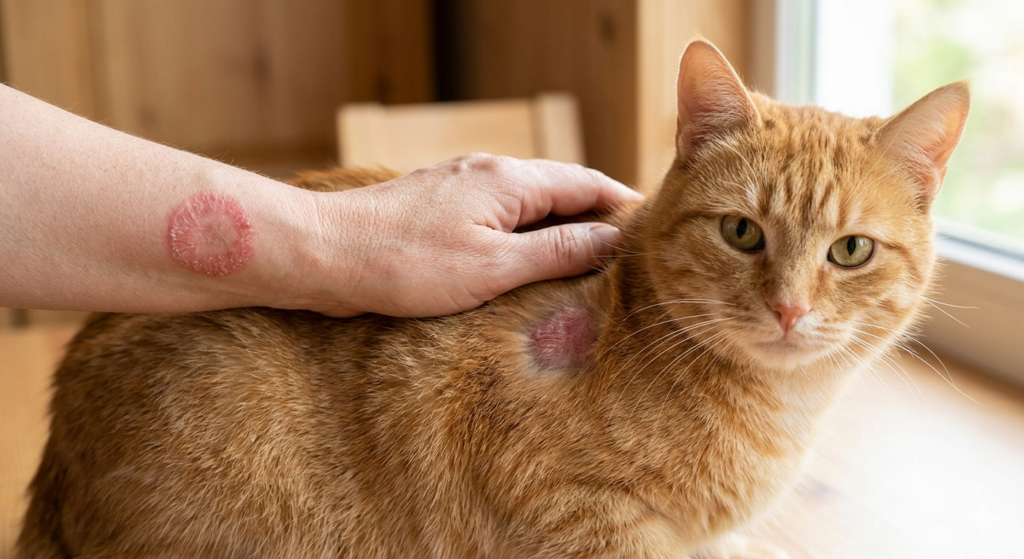
Despite the misleading name, ringworm has nothing to do with worms. It is a fungal infection caused by a group of fungi called dermatophytes that affects the skin, hair, and nails of both pets and humans. It is one of the most commonly transmitted conditions between pets and their owners — and it spreads faster than most people realize.
How Your Pet Gets It
- Contact with infected animals at parks, shelters, or grooming salons
- Contaminated soil, bedding, or grooming tools
- Kittens and puppies are especially vulnerable due to their developing immune systems
Signs to Watch in Your Pet
- Circular bald or scaly patches on the skin
- Red, crusty, or flaky ring-shaped marks
- Brittle or broken fur around the patch
- Excessive scratching or licking of one area
How It Spreads to You
Direct skin-to-skin contact with your infected pet, their bedding, grooming brushes, or even contaminated furniture. The fungal spores can survive on surfaces for months.
How to Stay Safe
- Always wear gloves during grooming sessions
- Wash hands thoroughly with antibacterial soap after handling your pet
- Disinfect pet bedding, brushes, and collars every week
- Visit the vet at the very first sign of bald patches or skin changes
- Vacuum carpets and furniture regularly during treatment
Treatment for Your Pet
A vet will prescribe antifungal shampoos, topical creams, and in more serious cases, oral antifungal medication. Most pets recover fully within 6 to 8 weeks with consistent treatment.
Use this to get rid of such infections:
Recurring skin infections, constant itching, or that yeasty smell? 🐾 Douxo S3 Pyo Shampoo is the vet trusted solution your pet’s skin needs. Powered by 3% Chlorhexidine to eliminate bacteria and yeast on contact, plus 0.5% Ophytrium to restore and protect the skin barrier — it treats the infection AND hydrates at the same time. Safe for both dogs and cats. Results from the very first wash. 🧴✨
Douxo S3 Pyo Shampoo– https://amzn.to/4t93GB1
2. Toxoplasmosis — The Silent Cat Carrier
What Is It?
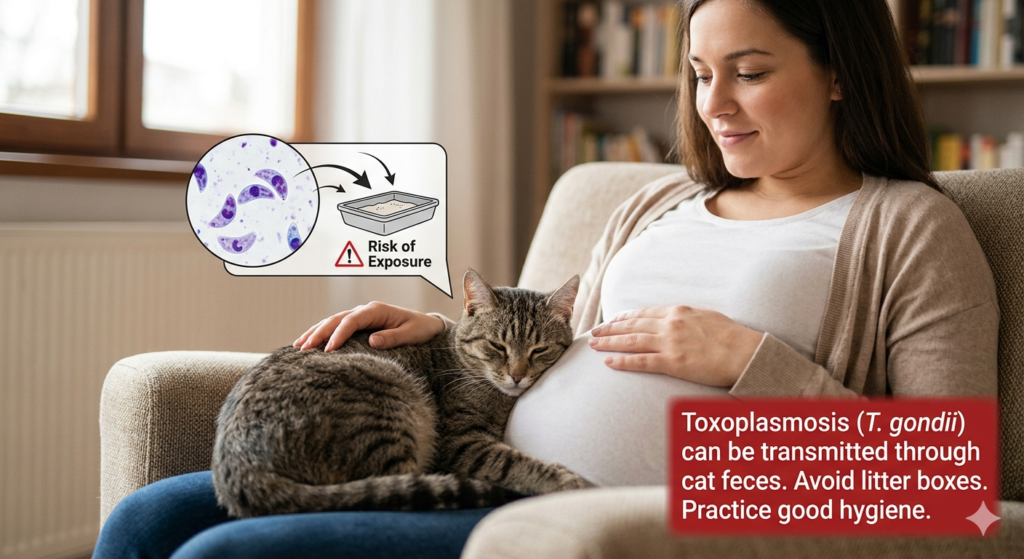
Toxoplasmosis is a parasitic infection caused by Toxoplasma gondii — a microscopic parasite that cats carry and shed through their feces. It is particularly dangerous for pregnant women, unborn babies, and people with weakened immune systems. What makes it especially tricky is that most cats — and most infected humans — show absolutely no symptoms at all.
How Your Cat Gets It
- Eating infected prey like mice or birds
- Contact with contaminated soil outdoors
- Consuming raw or undercooked meat
Signs to Watch in Your Pet
- Most cats remain completely asymptomatic
- Occasional lethargy or loss of appetite
- Respiratory issues or eye inflammation in severe cases
How It Spreads to You
- Handling cat litter with bare hands
- Touching your mouth or eyes after litter duty without washing hands
- Gardening in soil that outdoor cats have used as a toilet
How to Stay Safe
- Always wear gloves when cleaning the litter box
- Pregnant women should completely avoid litter box duty and ask someone else to handle it
- Wash hands for a minimum of 20 seconds after any litter contact
- Clean the litter box every single day — the parasite takes 1 to 5 days to become infectious after being shed
- Keep cats indoors to reduce their exposure to infected prey
Treatment for Your Pet
Most healthy cats fight the infection naturally without treatment. A vet may prescribe antiparasitic medication for severe cases. Infected humans with healthy immune systems typically recover without intervention.
Use this to get rid of such infections:
Keeping your pet clean between baths just got so much easier. 🐾🧤 These Pet Grooming Mitts are a game changer for busy pet owners — no water, no mess, no stress. Infused with Coconut Oil and Shea Butter, they gently clean and moisturize your pet’s skin and paws in one swipe. pH balanced and completely lick safe — so even if your dog or cat decides to taste test right after, you have nothing to worry about. Perfect for sensitive skin, muddy paws, post-walk cleanups, and keeping infections at bay between grooming sessions. 🌿✨
AMZON PRODUCT RECOMMENDATION-
Pet Wipes Dog Wipes Disposable Grooming Mitts Dog Paw Cleaner Cat Wipes- https://amzn.to/4sumY2v
3. Rabies — The One You Cannot Afford to Ignore
What Is It?
Rabies is a fatal viral disease that attacks the nervous system of all mammals — including dogs, cats, and humans. It is transmitted through the saliva of an infected animal, most commonly through a bite. While rabies in domestic pets has reduced significantly due to vaccination programs, it remains one of the most serious zoonotic threats in the world and is 100% fatal once symptoms appear in humans without post-exposure treatment.
How Your Pet Gets It
- A bite from an infected wild animal — bats, foxes, raccoons, jackals
- Contact with the saliva of a rabid animal on an open wound
Signs to Watch in Your Pet
- Sudden and dramatic behavior changes — a friendly pet becoming aggressive or a bold pet becoming fearful
- Excessive drooling or foaming at the mouth
- Difficulty swallowing or eating
- Sensitivity to light, sound, or touch
- Paralysis or seizures in the final stages
How It Spreads to You
A bite, scratch, or contact between infected saliva and an open wound or mucous membrane. Even a tiny scratch from an infected animal carries serious risk.
How to Stay Safe
- Vaccinate your pet against rabies — this is the single most important thing you can do
- Keep vaccination records updated every 1 to 3 years as your vet recommends
- Never approach stray, wild, or unfamiliar animals
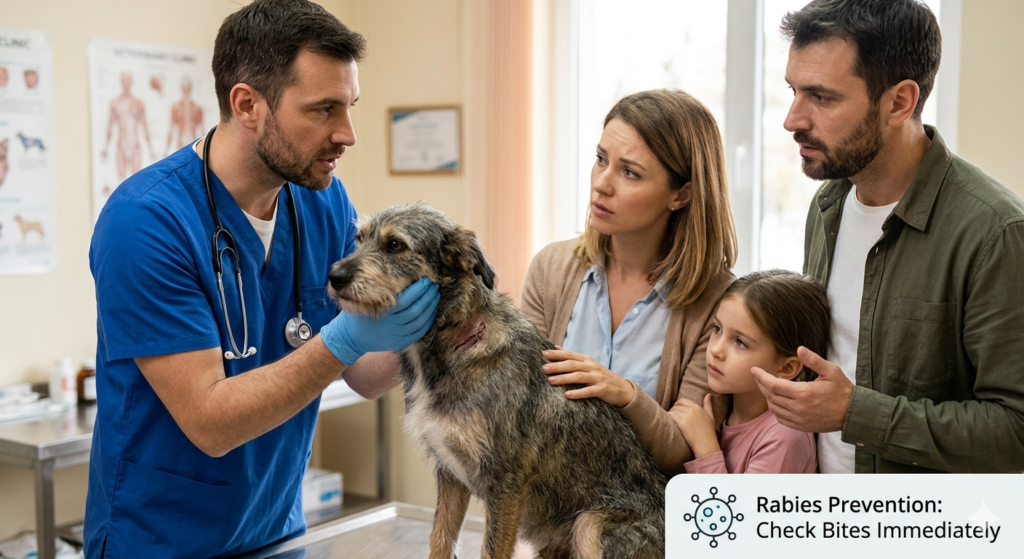
- If bitten or scratched by any animal — pet or wild — seek emergency medical attention immediately, do not wait for symptoms
- Supervise outdoor time especially in areas known for wildlife activity
Treatment for Your Pet
There is no cure for rabies once symptoms appear. Prevention through vaccination is the only answer. This is why keeping your pet’s rabies vaccine current is absolutely non-negotiable.
Never miss a Rabies shot again. 🐾 The Affrolling Puppy Shot Record Cards keep all your dog’s vaccination history organized and accessible — perfect for vet visits, travel, and peace of mind. 150 cards included. 📋 👉 https://amzn.to/3Q0GAxO
💧 4. Leptospirosis — The Waterborne Danger
What Is It?
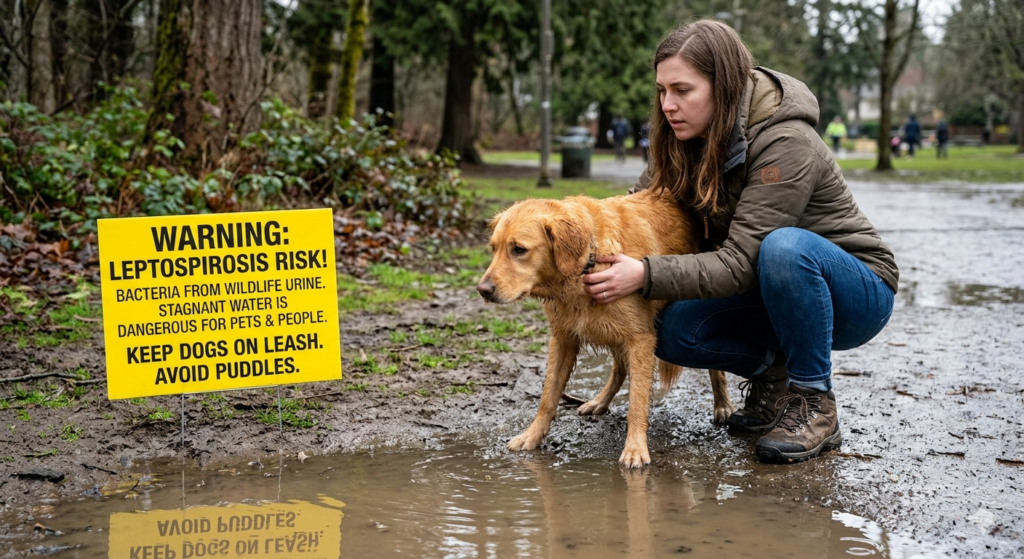
Leptospirosis is a serious bacterial infection caused by Leptospira bacteria that spreads primarily through the urine of infected animals. Dogs are most commonly affected — picking up the bacteria from contaminated water, puddles, soil, or contact with wildlife. It can cause severe kidney and liver damage in both dogs and humans and can be life-threatening if not caught early.
How Your Pet Gets It
- Drinking from or swimming in contaminated stagnant water or puddles
- Contact with soil or mud where infected wildlife has urinated
- Direct contact with an infected animal
Signs to Watch in Your Pet
- Sudden high fever and shivering
- Vomiting, diarrhea, and complete loss of appetite
- Muscle pain and reluctance to walk or move
- Increased thirst but decreased urination — or the opposite
- Yellow tinge to skin, gums, or whites of eyes indicating jaundice
How It Spreads to You
- Direct contact with infected pet urine — especially through cuts or broken skin
- Walking barefoot in contaminated water or soil
- Touching your face after handling an unwell pet without washing hands
How to Stay Safe
- Vaccinate your dog annually against leptospirosis — especially if they spend time outdoors or near water
- Always wear gloves when cleaning up pet urine, vomit, or waste
- Never let your dog swim in stagnant, slow-moving, or flood water
- Wash hands after every outdoor walk — not just when your pet looks unwell
- Keep your garden free of standing water which attracts infected wildlife
Treatment for Your Pet
Leptospirosis responds well to antibiotics when caught early. This is why recognizing the signs quickly is so important. Delayed treatment can result in permanent organ damage. Annual vaccination is the most reliable prevention.
Use this to get rid of such infections:
Recurring skin infections, constant itching, or that yeasty smell? 🐾 Douxo S3 Pyo Shampoo is the vet trusted solution your pet’s skin needs. Powered by 3% Chlorhexidine to eliminate bacteria and yeast on contact, plus 0.5% Ophytrium to restore and protect the skin barrier — it treats the infection AND hydrates at the same time. Safe for both dogs and cats. Results from the very first wash. 🧴✨
Douxo S3 Pyo Shampoo– https://amzn.to/4t93GB1
🐾 5. Cat Scratch Disease — More Common Than You Think
What Is It?
Cat Scratch Disease — also known as Bartonellosis — is caused by the bacteria Bartonella henselae and is carried by cats, particularly kittens under one year old. It is transmitted to humans through scratches, bites, or even a cat licking an open wound. Most healthy adults recover without complication but it can cause serious illness in young children, elderly individuals, and immunocompromised people.
How Your Cat Gets It
- Fleas are the primary carrier — cats pick up the bacteria from flea dirt (feces)
- Contact with infected cats during play or fighting
Signs to Watch in Your Pet
- The vast majority of cats are completely asymptomatic carriers
- Occasional mild fever or swollen lymph nodes
- Lethargy in rare cases
How It Spreads to You
- A scratch or bite that breaks the skin
- A cat licking an existing open cut, wound, or sore on your body
- Flea dirt entering a scratch or abrasion on your skin
How to Stay Safe
- Keep your cat’s nails trimmed consistently — short nails mean shallower scratches
- Never allow your cat to lick open wounds, cuts, or sores on your skin
- Wash any scratch or bite immediately and thoroughly with soap and running water for at least 5 minutes
- Maintain a strict monthly flea prevention routine — eliminating fleas removes the primary transmission route
- Wash hands after every play session especially with kittens
Treatment for Your Pet
Healthy cats rarely need treatment. A vet may prescribe antibiotics for cats showing symptoms. For humans, mild cases resolve on their own while more serious infections are treated with antibiotics.
Tired of your cat’s scratching? 🐱 The Silent Groom Pro Nail Grinder trims and smooths your cat’s nails quietly and safely — no splitting, no sharp edges, no stress. Perfect for anxious cats and first time groomers. 👉 https://amzn.to/4tM6GmS